Newsletter Subscribe
Enter your email address below and subscribe to our newsletter

 ByJohn A
Washrooms rarely make it to the first draft of a project plan. Then a renovation shuts the staff toilets on the ground floor, contractors arrive in numbers, and people start walking to the coffee shop down the road to use these facilities . A portable toilet trailer placed on site before work begins keeps staff and crews on the property and out of neighbouring businesses.
Construction work is only one trigger. Facility upgrades, office moves, plant shutdowns and temporary operations like seasonal warehouses all leave businesses short of washroom capacity for weeks or months. A portable toilet trailer gives these projects flushing toilets, running water and a heated interior, so the people doing the work have a proper place to wash up between tasks.
Off-Site Trips Drain Productive Time: When a site has no usable washroom, workers leave the property to find one, and each trip takes far longer than a walk across the yard. Site supervisors on commercial refits routinely see the pattern: breaks stretch, crews return in ones and twos, and work that depends on the whole team stalls until everyone is back.
Workplace Duties Continue during the Project: Employers are expected to give workers access to clean washrooms, and that duty continues through a renovation or a move. Washroom access falls under occupational health rules, and inspectors can raise it during site visits. Over a longer project, poor facilities wear on morale. Skilled trades notice when an employer treats washrooms as an afterthought.
Matching Facilities to Weeks or Months on Site: Short jobs with small crews can be managed with standard units, while projects running for several months benefit from facilities people can use comfortably every day. Workforce size matters as much as duration. A portable toilet trailer with several separate stalls handles a mixed crew of trades, supervisors and office staff without the waiting that builds up around a single unit at break time.
Shift Patterns and Existing Washrooms Change the Numbers: Daily usage depends on shift patterns more than headcount alone. A site running early and late shifts puts far more wear on facilities than a single day crew. Existing washrooms count too. If one floor of the building stays open, a smaller rental may cover the gap, but only if the business is happy for contractors to walk through occupied areas.
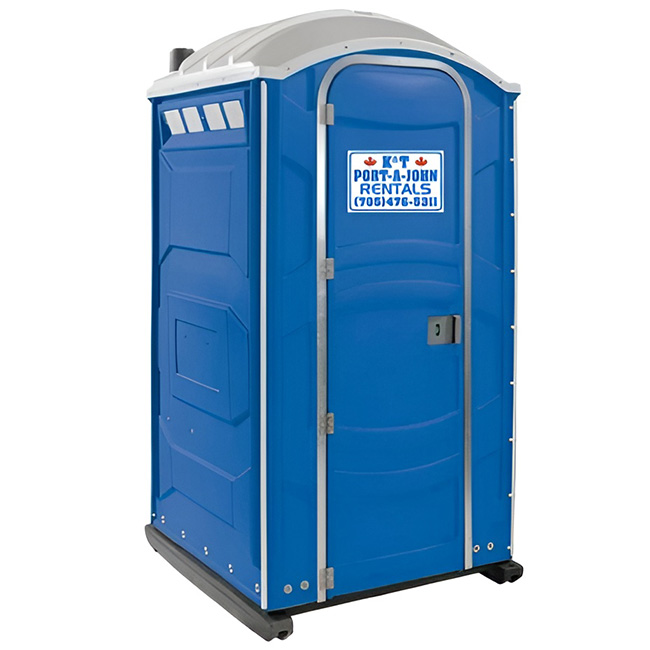
Standard Units Suit Simple Site Sanitation: Standard portable toilets are the practical choice for groundwork, short repairs and remote sites where crews need a quick, functional facility. They arrive fast, need no hookups and move easily as the work shifts. The trade-off is comfort. In a North Bay winter, a plastic unit is a cold place to stop, and office staff or visiting clients rarely accept it for long.
Elite for Long Builds, Royal for Polished Occasions: The Elite trailer suits construction sites and longer commercial projects, while the Royal is built for weddings and upscale events. Many businesses end up needing both. A store refit might rely on an Elite for months, then close with a reopening celebration where guests expect something closer to the Royal’s comfort. Picking by intended use keeps each rental right for its audience.
See also: How Fear and Greed Influence Crypto Markets
Mid-Project Additions Cost Space and Time: Adding washrooms after work has started is harder than planning them at the outset, because the best spots are already taken by materials, skips and parked equipment. Crews will have built habits around off-site trips by then. A portable toilet trailer booked during planning gets a proper position near the work area, with delivery access agreed before the site fills up.
Protecting Finished Spaces and Daily Operations: Keeping contractors out of the building’s remaining washrooms protects new flooring, fresh paint and the patience of staff who still work there. For businesses that stay open during upgrades, separate facilities form part of business continuity planning, since customers and employees carry on as normal while the work happens out of sight. A planned rental is easier to budget for than repairs to damaged finishes.
Site Details Worth Confirming Early: A short list of site details answers most rental questions before a quote is even requested. Sharing them early means the portable toilet trailer that arrives fits the project, the ground and the people using it, instead of needing a swap halfway through. Confirm these points with your project team first:
Proper facilities keep crews on site and spare the building from extra wear until the project wraps up. Leaving the decision until demolition starts means fewer trailer choices and a worse spot to put one. Arrange a site assessment now and get a trailer matched to your project before work begins.